
Athabasca University's Master of Science – Earth System Science (MSc ESS) is an interdisciplinary graduate program grounded in an Earth-systems perspective—one that examines how the atmosphere, hydrosphere, cryosphere, geosphere, and biosphere interact, and how these interconnected systems are influenced by both natural processes and human activities.
This page is designed to help you explore research fit by outlining the program’s six focus areas and highlighting faculty whose research aligns with each area. Use these profiles to refine your interests, identify promising research directions, and connect with potential supervisors for thesis or project work.
Environmental Science
Quaternary Earth Systems
| This focus area examines Earth’s most recent geologic period, spanning approximately the last 2.6 million years, to understand long-term environmental and climate variability. Students analyze evidence preserved in landscapes, sediments, ice cores, and other natural archives to reconstruct past climates, ecosystems, and Earth-system processes. Research places contemporary environmental change within a deep-time context and explores interactions among the cryosphere, hydrosphere, and geosphere across geological timescales. |
Darcy Cordell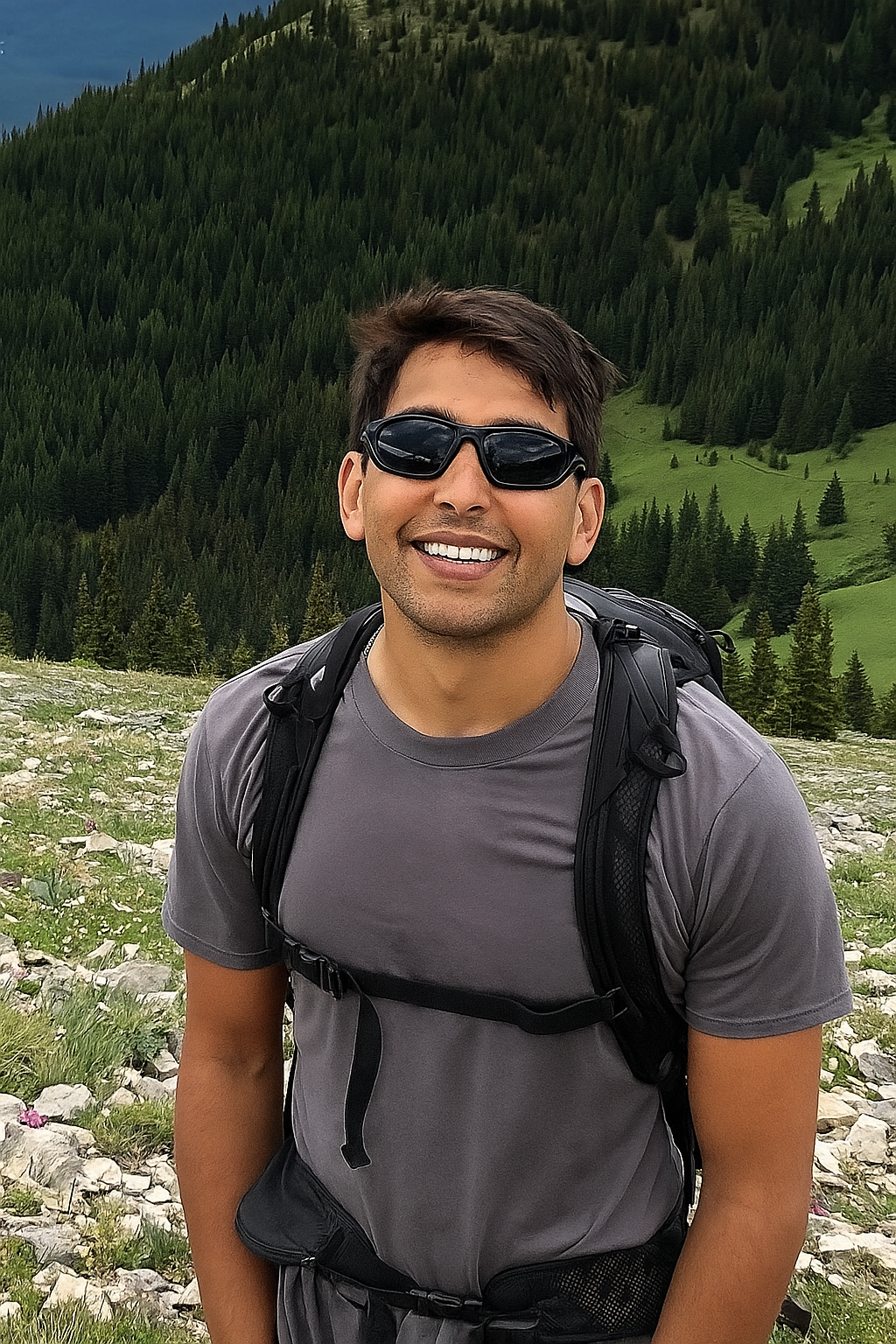 Email
EmailProfile | I study electromagnetic induction in the Earth across diverse applications. My recent work focuses on geomagnetic storms and their impacts on power networks. I also use induction to map subsurface electrical conductivity linked to minerals, fluids, and magma. This involves geophysical field measurements and supports mineral and geothermal exploration, volcano hazards, tectonics, and environmental studies. |
Frédérique Pivot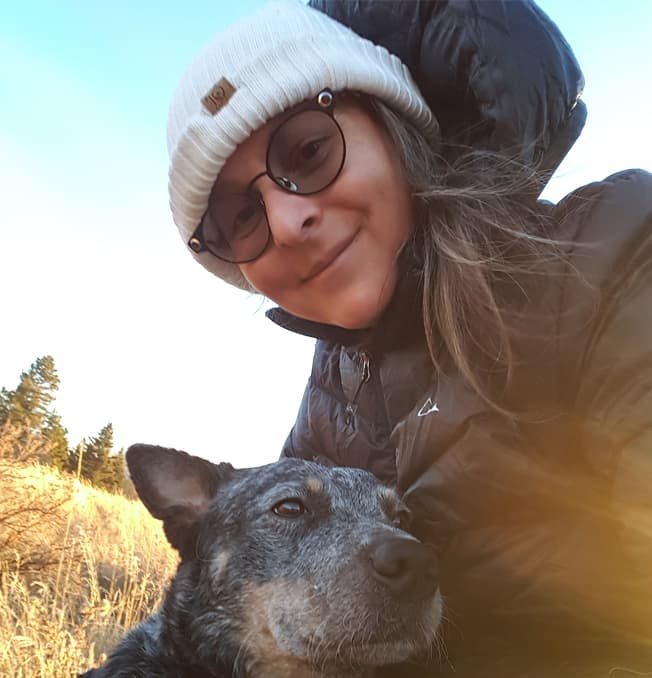 Email
EmailProfile | My research in physical geography focuses on remote sensing and geospatial analysis to investigate land surface processes and environmental change across spatial and temporal scales. Advancing remote sensing methods and observing systems for environmental monitoring and understanding climate-related environmental change, with particular interest in applications to cryospheric and other land surface dynamics such as snow cover and soil moisture variability, wildfire disturbance, and vegetation or land cover change. |
Ken Munyikwa Email
EmailProfile | My research focuses on Quaternary Earth systems, examining environmental change over the past ~2.6 million years, particularly in western Canada. Using geological proxy records and dating techniques such as luminescence dating, I reconstruct processes since the Last Glacial Maximum. This work connects local and global patterns and includes analysis of modern processes to better understand natural baselines and future environmental change. |
Martin Connors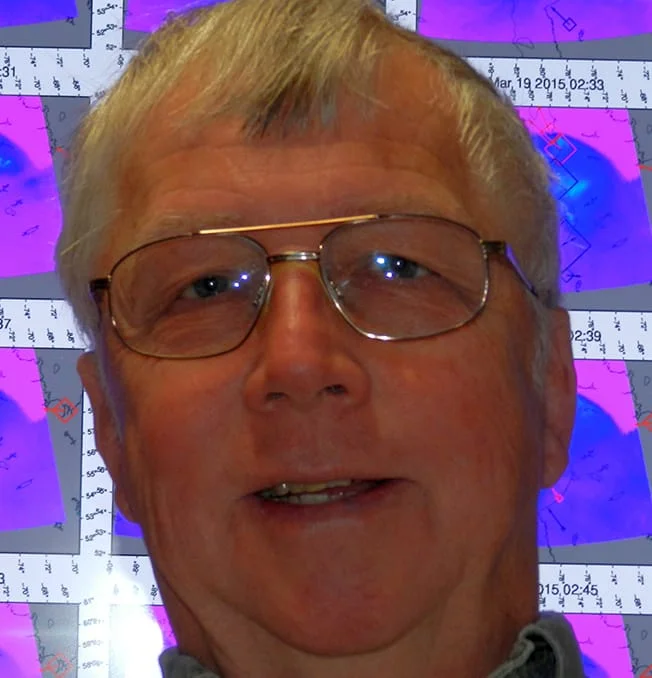 Email
EmailProfile | My main interest is space physics—specifically auroras, their causes, and effects (space weather). We have a world-class observatory and collaborations with leading international universities. My focus is on auroral magnetic and electric fields, alongside optical imaging from paired Athabasca sites. With a background in Applied Mathematics, I apply mathematical and computational methods across a broad range of topics. |
Scott Ketcheson Email
EmailProfile | My research advances ecosystem sustainability by understanding hydrological processes. As a field hydrologist, I study water movement among forests, wetlands, and streams in northern Alberta using traditional methods and sensor networks. I have established a research Headwater Catchment Observatory and I also collaborate on oil sands reclamation, peatland biogeochemistry, mercury dynamics, seismic line restoration, and wildfire impacts. |